Microcosm and Macrocosm as a Symbolic-Interpretive Perspective
Learning Themes: This guide connects to Category 7 (Spirituality — Aspects of Spirituality) and Core Knowledge: Thinking Better. It is designed for everyday readers, tradespeople, and lifelong learners to explore big ideas in simple, grounded language.
A Philosophical and Critical Analysis Between Hermetic Tradition, Science, and Spirituality
Abstract
The idea that the human being represents a “microcosm*” (a small world inside us) and the Universe a “macrocosm*” (the vast world around us) belongs to a long philosophical and spiritual tradition. According to this view, changes in the external world, whether natural seasons, social environments, or cosmic cycles, may find a reflection in a person’s physical, emotional, and inner life.
This article presents this idea in clear, accessible terms for beginners, distinguishing between what serves as an inspiring philosophical metaphor and what is proven by everyday science. Science shows that our body, brain, emotions, and environment are deeply interconnected; at the same time, we do not need to invent mysterious claims to appreciate how deeply we belong to nature.
The concept of microcosm and macrocosm provides a practical model for “thinking better”: a way to understand our relationship with nature, our daily habits, and surrounding reality.
1. Introduction
Human beings have always looked to the sky, the seasons, the sea, the sun, and the moon in search of a connection with their inner life. When the external world changes, our sense of ourselves often changes as well: a bright day may foster openness and vitality; a prolonged period of darkness, isolation, or uncertainty may affect mood, sleep, and energy levels.
From these observations arises the idea of the relationship between macrocosm* and microcosm*:
- The macrocosm* is the great whole: the Universe, nature, the planet, ecosystems, the cycles of time, and collective life.
- The microcosm* is the human being: the body, the mind, the emotions, relationships, and spiritual experience.
The central theme is straightforward: what happens in the greater world is not entirely foreign to us, because we are part of that world. We breathe its air, live within its cycles of light and darkness, depend on its natural equilibria, and are shaped by events affecting the society in which we live.
This article aims to explore this theme with common sense and clarity, showing where ancient traditions offer rich metaphors and where modern science gives us reliable, real-world facts.
2. Historical Origins and Philosophical Foundation of the Concept
The relationship between microcosm and macrocosm is an ancient concept found across world cultures and philosophies. In the Hermetic* tradition, it is often summarized by the famous motto: “As above, so below.” This does not claim that a human body is an exact miniature planet; rather, it suggests that patterns in nature can help us understand patterns in our own personal lives.
In this sense, the cosmos acts as a symbolic mirror:
- The changing seasons mirror the stages of our life and energy.
- Natural rhythms of rest and activity mirror our daily physical needs.
- The balance of nature reminds us of the need for mental and emotional balance.
This perspective holds immense value for personal reflection and spiritual grounding. Its power is not about replacing medical science, but about giving everyday people a meaningful way to appreciate their place in the universe.
3. The Body in Relation to the Environment: What Science Confirms
From a practical scientific standpoint, the human body is in non-stop communication with its environment. We do not live in an isolated bubble: we receive light, heat, sounds, social interactions, information, and invisible substances in the air and in food. We may not be able to visualize all of these, but we know that they exist. All of these factors actively shape our physical energy, health, and daily outlook.
A simple example is the natural cycle of day and night:
- Circadian Rhythms*: Natural daylight and darkness regulate our internal biological clocks, helping our body release hormones for sleep, wakefulness, digestion, and focus.
- Environmental Impact: Temperature, noise levels, fresh air quality, and working conditions directly affect our mood, stamina, and stress levels.
Science investigates these interactions across disciplines such as chronobiology* (the study of biological clocks), environmental medicine, ecopsychology* (how nature affects mental health), and neuroscience* (the study of the brain and nervous system). These real-world connections prove that taking care of our physical surroundings is an essential part of taking care of ourselves.
4. Body, Mind, and Inner Experience: The Unity of the Person
In daily life, we often split ourselves into separate boxes: physical health over here, job stress over there, and emotions somewhere else. In reality, body and mind work together as a single, unified system.
When you experience pressure at work, fear, grief, or sudden joy, that feeling is not just “in your head”:
- Your breathing pace changes.
- Muscles in your neck and shoulders tighten.
- Heart rate shifts, and sleep or digestion can be disrupted.
Conversely, getting good rest, proper nutrition, and fresh air clears mental fog and restores emotional patience. Health is an interconnected puzzle: our physical habits, emotional mindset, work environment, and family relationships all influence one another.
5. The Concept of “Resonance”: What It Really Means
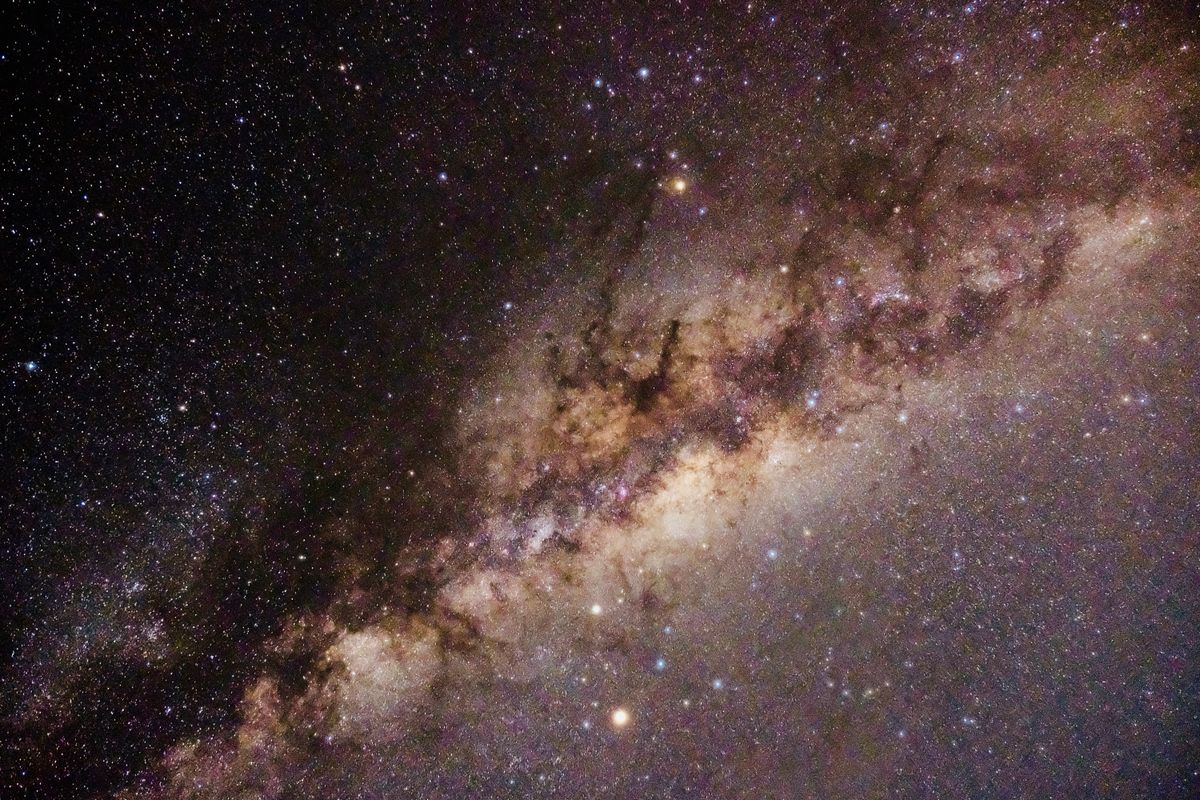
People often use the word “resonance*” to describe the uplifting feeling of standing under a starry night, listening to ocean waves, or walking in a peaceful forest. Nature stirs something quiet and positive inside us.
In everyday human terms, resonance means an encounter with meaning:
- Nature evokes wonder and stillness because it gives us a break from digital noise.
- Beautiful landscapes invite us to slow down, breathe, and reflect.
- Shared community events create empathy and human solidarity.
It is helpful to keep terms clear: in medical physics, “magnetic resonance” refers to precise radio frequency scans of biological tissue. In personal life, “resonance” is poetic and spiritual—it is about how meaningful moments refresh our spirit and remind us of what matters most.
6. Understanding the Practical Limits of the Cosmic Theme
For lifelong learners and practical thinkers, clarity is essential. Modern science does not claim that distant planets dictate our daily luck or make specific life decisions for us.
Keeping a grounded perspective helps us avoid confusion:
- We celebrate symbolic and spiritual reflections as tools for wisdom and peace of mind.
- We rely on verified medical science and practical doctors for health advice.
- Both can coexist harmoniously when we understand what each is designed to do.
7. A Balanced Reading for Daily Life
A balanced understanding of the microcosm-macrocosm theme can be summarized simply:
We are living beings deeply connected to the Earth and our surroundings. What happens in the world around us matters, and taking care of our natural rhythms helps us live healthier, more balanced lives.
This balanced mindset avoids two extremes:
- It avoids treating the human body like a disconnected machine that ignores fresh air, rest, and nature.
- It avoids superstitious shortcuts that ignore practical medical knowledge.
8. Practical Action Steps for Everyday Life
How can a working professional, tradesperson, or beginner put this wisdom into action today?
- Protect your natural biological clock: Get morning sunlight in your eyes within 30 minutes of waking up, and dim harsh screens at night to support deep restorative sleep.
- Take regular nature breaks: Step outside during lunch, take walks in green spaces, and give your mind quiet moments away from notifications.
- Listen to your body’s signals: Chronic neck tightness, headaches, and fatigue are signals to adjust your pace, hydration, and stress levels.
- Practice quiet reflection: Spend 5 to 10 minutes each day in quiet thought or deep breathing to reset your nervous system.
- Seek qualified professional care: Use philosophy for wisdom and inner calm, and always consult medical professionals for health diagnoses and treatments.
9. Methodological Note: Understanding the 3 Levels of Knowledge
To help beginners and lifelong learners navigate complex topics with confidence, it helps to understand that human knowledge operates on three distinct, valuable levels:
-
The Symbolic-Interpretive Level (Wisdom & Metaphor)*:
- What it is: The realm of philosophy, spiritual teachings, and ancient traditions (such as Hermeticism).
- How it helps you: It provides stories, symbols, and big-picture metaphors that help us find purpose, inner peace, and personal meaning in our daily lives.
-
The Scientific-Empirical Level (Facts & Measurable Reality)*:
- What it is: The realm of laboratory experiments, medical research, and tested physical evidence.
- How it helps you: It gives us exact facts about how sunlight creates Vitamin D, how sleep restores brain tissue, and how medicine cures disease.
-
The Hermeneutic Level (Personal Meaning & Life Experience)*:
- What it is: The realm of human psychology and how each person uniquely interprets their life events.
- How it helps you: Two people can look at the same starry sky or rainstorm; one feels cozy reflection while another feels wonder. This level explores how our personal memories and mindset shape what we feel.
10. Conclusion
The ancient idea of microcosm and macrocosm is an inspiring reminder: we belong to a magnificent world, and our daily thoughts, bodies, and habits are intimately connected to the natural rhythms of life.
By keeping our thinking grounded in clear common sense, we can enjoy the beauty of spiritual wisdom while honoring the clarity of practical science.
References
- Coronelli, Cristina Luisa. La meditazione. Milan: Xenia, 2003.
- Zummla Insights Team. The Beginners Guide to Clear Thinking and Everyday Mindfulness.
💡 Vocabulary in Action (VOA)*: Whenever you see a term with an asterisk (*), it is defined in our VOA Dictionary at the bottom of this article and in our Insights section.